This generation of students is required to develop a unique set of academic and future skills to prepare them for success at school and beyond. CURIOO exists to teach them, in studios and in schools. This is who we are, what we believe, how we teach, and the people and standards behind our curriculum.
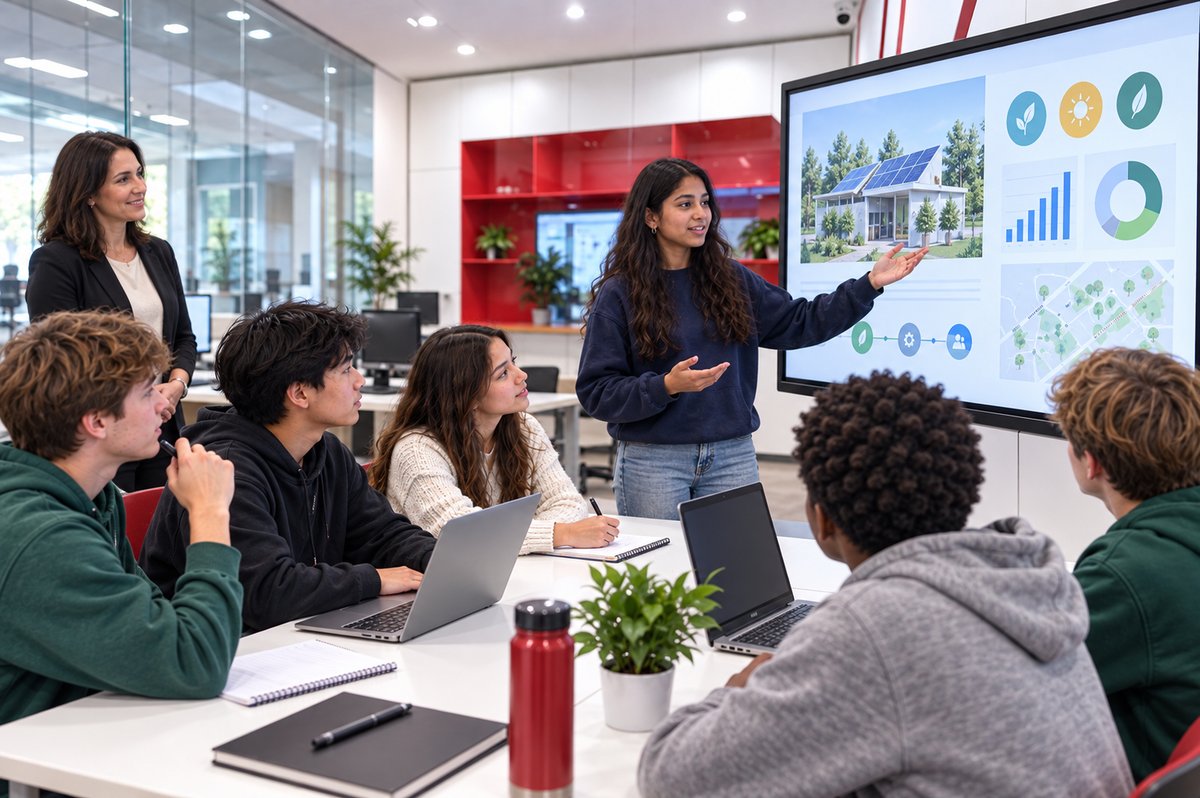
These four principles guide our curriculum framework, how we interact with our students, and how we ensure our students achieve their learning outcomes across our digital and physical learning programmes.
Grounded in research and best practice, they give our students learning experiences and environments that are individually, culturally and academically responsive.

We all have our own unique set of talents, abilities and intelligences. Our programmes are built for small groups and real projects, so each child’s ideas are appreciated, challenged and shared so they can find what they’re good at.
Confidence, persistence, teamwork and leadership are not traits, they are skills that can be taught. We build them deliberately, lesson by lesson, alongside the subject knowledge.
The world our students will learn and work in is being shaped by AI, by new ways of making a living and by problems that cross borders. Our four Future Skills exist so that young people meet that world ready, not surprised.

Children learn most when they want to know what happens next. Every CURIOO lesson starts with something to build and ends with something to show, because that is what keeps a child engaged and motivated.
The subjects that impact how a child develops the skills for academic achievement, independence, self-confidence and leadership.
Speaking, presenting and persuading in real situations — so English becomes a tool children use, not a subject they study.
Encouraging idea generation, the assessment of opportunities, overcoming failure and collaborating and leading teams.
Develops original and critical thinking, problem-solving, and collaboration skills through digital and tactile activities.
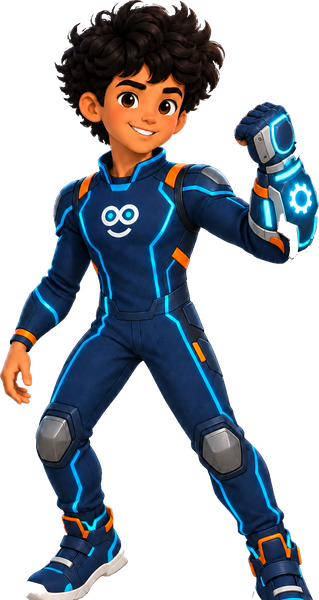
Equips young people with problem-solving, logical thinking, and digital literacy skills.
Developed and measured in every lesson and every level of progress.
The four skills, taught using instructional methods appropriate for the child’s age and prior knowledge.
Students create, improve and present in every lesson. It is the same loop at three and at seventeen — only the project changes.
Every lesson starts with something to make — an idea, a design, a prototype, a pitch. Not a page to fill in.
Feedback, then a second attempt. Learning to make something better is the skill; the first draft is just the start.
Stand up and show it. Confidence, creativity and communication are built by using them, in front of people.
Teachers give feedback on each student’s engagement with the lesson objectives — whether they were achieved — and an assessment of the key learning behaviours demonstrated in the lesson.
Highly experienced educators, instructional designers, learning delivery experts. The people you partner with.
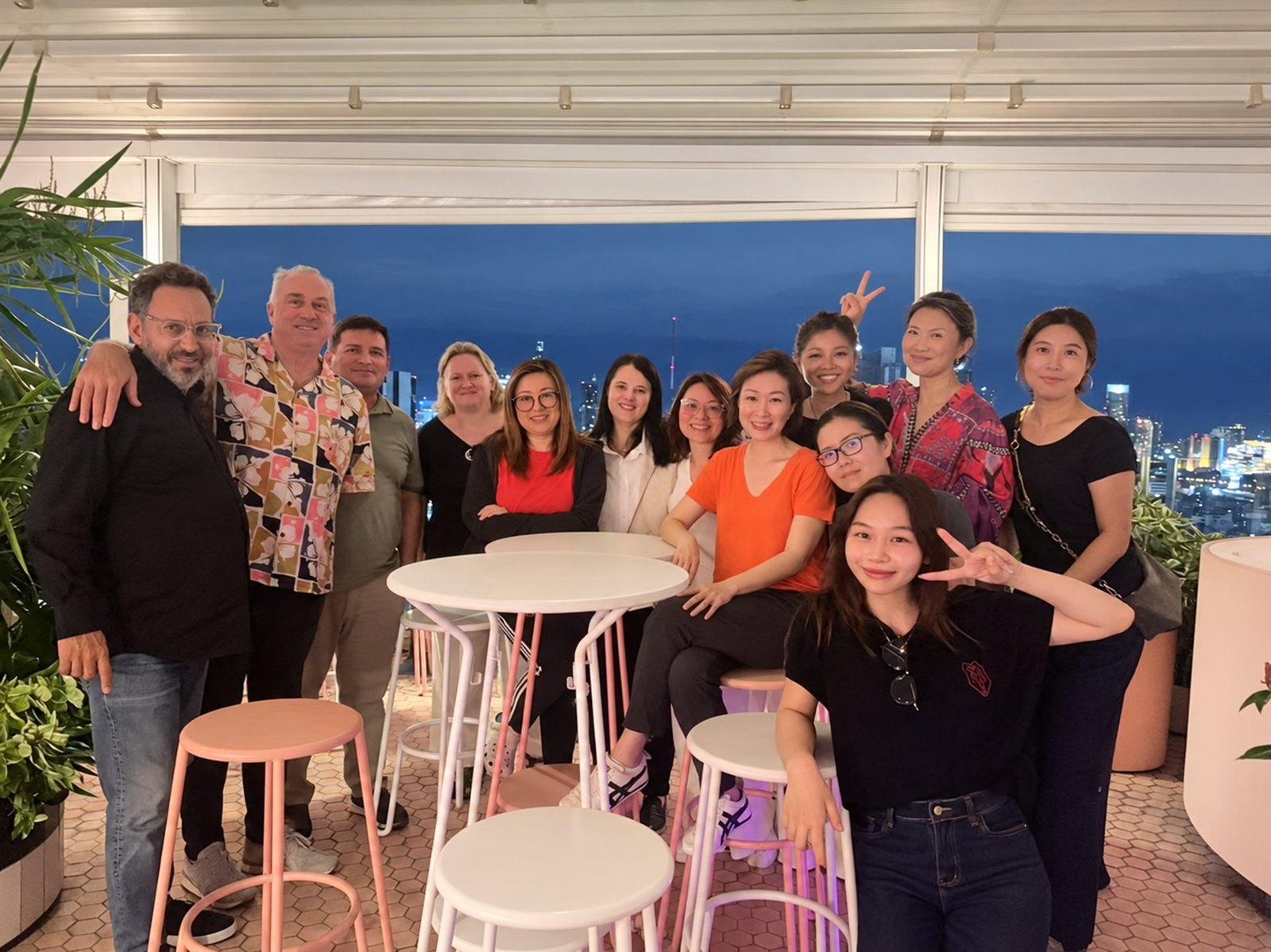

Over 25 years of teaching and academic service leadership across Asia, the US, Latin America, Europe and Australia. Having worked across schools, supplementary and enrichment providers, Paul is determined to provide young people with the self-confidence and leadership skills to take responsibility for their own learning.
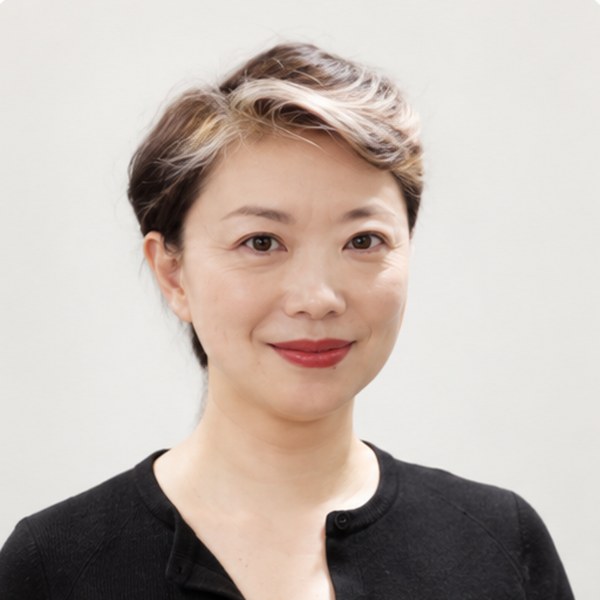
Highly experienced education professional having held leadership positions at some of the largest global education providers. With a background in marketing at leading multinationals, Catherine is passionate about understanding the aptitude of students and guiding their learning into areas of curiosity.

The driving force behind CURIOO’s curriculum and instructional methodologies, Katie’s background covers academic leadership positions across K–12 schools, IB curriculum development and UK primary schools.

Highly experienced curriculum lead across international K-12 providers. Chris is constantly challenging our development teams to create fun, efficacious and relevant content. He has spent the past 15 years in classrooms helping to deliver authentic learning.
Each of the four Future Skills is mapped to a recognised international framework, level by level, from the first year to the last.
See the curriculum alignment on CURIOO Campus →
Assessment built into every lesson. Every project comes with its criteria, rubric and a checkpoint tracker, so teachers judge work against named criteria as they teach, not in a separate marking exercise, and hold the evidence a curriculum lead needs at the end of term in their own systems.
Evidence of real work, not exams. On Campus, students are assessed on what they produce and how they think: the real deliverable, a live pitch with questions, evidence that it worked with real people, and a project journal. Formative checkpoints through each project give feedback while it still counts.
Progress reporting. Every programme year runs as four ten-week cycles, each ending in a subject showcase with parent engagement and a progress report — so families see what has been learned, not only that a term has ended.
Teacher certification & CPD. Teachers can earn the Certificate in Teaching Secondary Entrepreneurship, evidenced by running a project with a real class. Awarded by CURIOO and independently accredited by The CPD Certification Service.
Safeguarding and data. Campus registration requires an institutional email. Campus holds no student data: teachers download what they need and student work stays in the school’s own systems. Full details are in our privacy policy and safeguarding statement.